Dog food instructions:
How to feed your dog correctly
Feeding your dog may seem simple, but understanding dog food instructions correctly is essential for maintaining a healthy weight, supporting proper digestion, and ensuring overall wellbeing. Every dog food product comes with recommended feeding guidelines, yet many owners misinterpret them or overlook factors such as activity level, age, or body condition. Following these instructions carefully can help you provide the right diet for your dog and prevent common health issues like obesity or nutrient deficiencies.
This guide will explain how to read feeding charts, understand weight tables, determine how often to feed your dog, and create a consistent routine that supports your pet’s health.
- Dog food instructions should be interpreted based on ideal weight, age, activity level, and life stage.
- Feeding charts are a starting point and need to be adjusted to the dog’s body condition, metabolism, and lifestyle.
- Portion mistakes such as estimating amounts, overusing treats, or mixing food types incorrectly can lead to overfeeding or deficiencies.
- Meal frequency matters, with puppies, adults, and senior dogs requiring different feeding routines.
- Consistent feeding times, accurate portioning, fresh water, and gradual food transitions support healthy digestion and long-term wellbeing.

What are dog food instructions and why do they matter?
Dog food instructions indicate how much and how often your dog should eat based on its ideal weight, age, and activity level. These guidelines are developed by pet nutrition experts to ensure your dog receives essential nutrients without overfeeding or underfeeding.
Interpreting these instructions accurately is important because:
- Dogs differ in energy needs depending on breed, age, and lifestyle.
- Overfeeding can lead to obesity, joint problems, or diabetes.
- Underfeeding may cause nutrient deficiencies, stunted growth, or poor coat and muscle condition.
- Puppies, adults, and senior dogs all have distinct physiological requirements.
Understanding different types of dog food diets
The type of diet you choose affects feeding instructions. Common types include:
- Dry Dog Food (Kibble): More calorie-dense, convenient, requires precise portion measurement, usually includes detailed feeding charts.
- Wet Dog Food: Lower calorie density, may require larger portions, often more palatable for picky eaters.
- Mixed Feeding: Combines wet and dry food; requires careful portion management to avoid overfeeding.
- Specialised Diets: Targets specific needs such as weight management, sensitive digestion, grain-free diets, or life-stage-specific formulas for puppies, adults, and seniors.
Always check the label when switching foods, as feeding instructions may differ by brand and diet.
How to read a dog feeding chart properly
Dog feeding charts typically list recommended portion sizes based on ideal or expected mature body weight or life stage. To use them correctly:
- Determine your dog’s current weight (vet or home scale).
- Find the corresponding ideal or expected mature body weight category on the chart.
- Check whether amounts are per day or per meal — misreading this is a common mistake.
- Adjust for activity level: Active dogs may need more, sedentary dogs less.
- Use a kitchen scale instead of cups for accuracy.
Feeding tables for growing dogs
Check and be aware whether the feeding table is based on puppies' current weight or their expected mature weight.
Feeding charts give a starting point. You then adjust based on your dog’s body condition and lifestyle.
If you would like to find out exactly how much food your dog needs, you can read our detailed article here.
How many times a day should you feed a dog?
Meal frequency depends on age, size and routine.
- Puppies (under 6 months): 3–4 meals per day
- Adult dogs: 1–2 meals per day (most owners choose 2 for better digestion)
- Senior dogs: 2 smaller meals to support metabolism & avoid digestive discomfort
Feeding your dog at consistent times improves digestion and supports a healthy routine.
Common mistakes owners make
Even well-intentioned owners sometimes misinterpret feeding instructions. Common errors include:
- Estimating portions instead of measuring.
- Giving extra treats without adjusting meals.
- Mixing wet and dry food without recalculating calories.
- Assuming all brands follow the same feeding guidelines.
- Ignoring lifestyle or metabolism changes.
- Feeding for current weight instead of ideal weight or expected mature weight.
Building a healthy feeding routine for your dog
Conclusion
Feeding your dog correctly is more than just following the instructions on the package. Understanding dog food instructions, interpreting feeding charts accurately, and adjusting portions to your dog’s age, activity, and lifestyle are essential steps to ensure long-term health.
Creating a consistent feeding routine supports digestion, maintains a healthy weight, and encourages positive behavior. Key elements include:
- Feeding at the same times daily to create a predictable routine.
- Providing fresh water, particularly with dry food.
- Gradually introducing new foods over 7–10 days to avoid digestive upset.
- Tailoring meals to life stage — puppies, adults, and seniors all have different nutritional requirements.
- Focusing on high-quality protein, fiber, and prebiotics to promote healthy digestion.
By combining accurate portioning, appropriate meal frequency, and a structured routine, you give your dog the foundation for a long, healthy, and happy life.



Our bestsellers
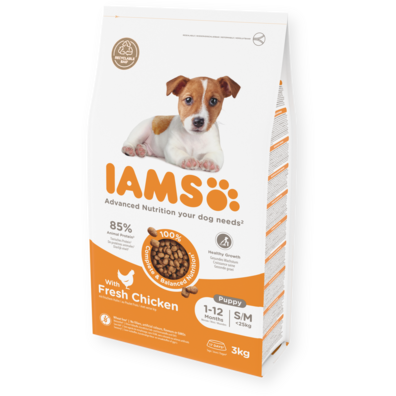
Dry Food Puppy Small/Medium Breed with Fresh Chicken
- Dry food
- Chicken
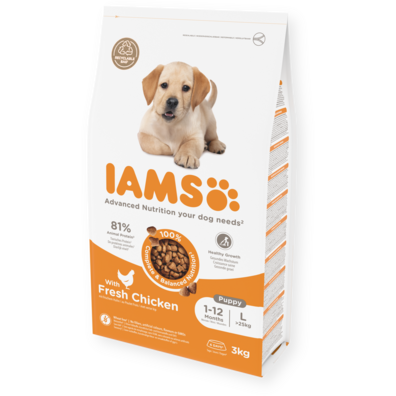
Dry Food Puppy Large Breed with Fresh Chicken
- Dry food
- Chicken
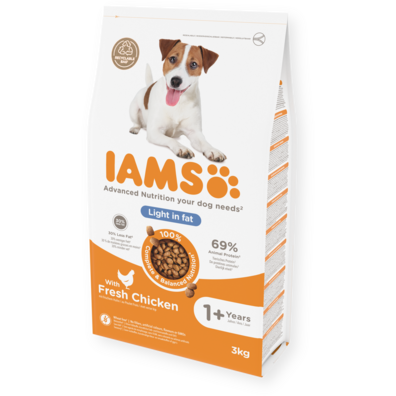
Dry Food Adult Small/Medium Breed with Fresh Chicken
- Dry food
- Chicken
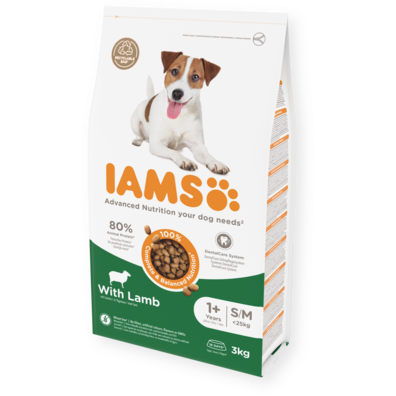
Dry Food Adult Small/Medium Breed with Lamb
- Dry food
- Lamb
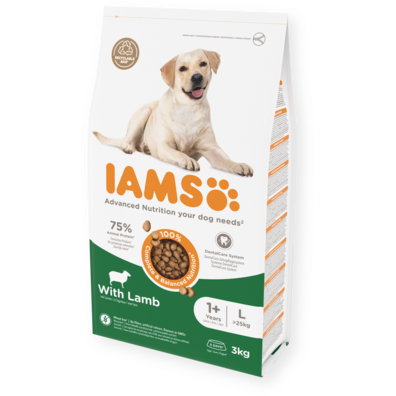
Dry Food Adult Large Breed with Lamb
- Dry food
- Lamb
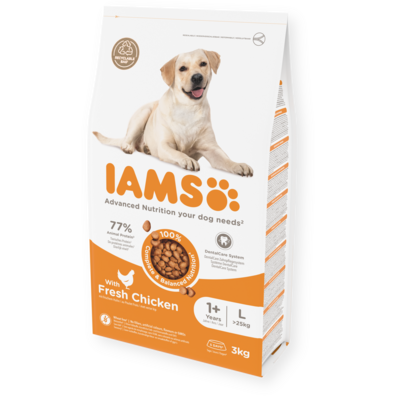
Dry Food Adult Large Breed with Fresh Chicken
- Dry food
- Chicken
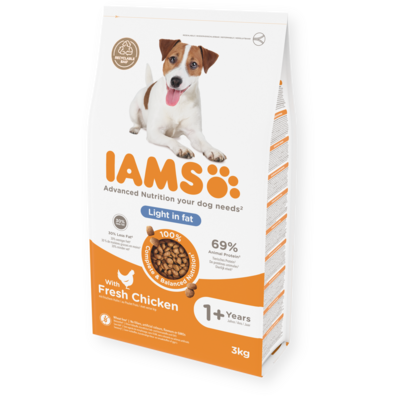
Dry Food Light in Fat Adult All Breed with Fresh Chicken
- Dry food
- Chicken
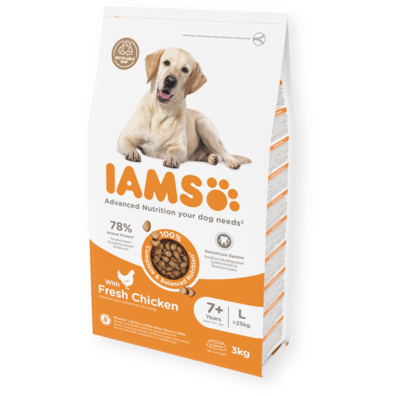
Dry Food Senior Large Breed with Fresh Chicken
- Dry food
- Chicken