Understanding Cat Aging
How the Aging Process Affects Your Cat
Just like humans, cats experience natural physical and behavioural changes as they get older. The cat aging process begins gradually, often becoming more noticeable after the age of 7. While every cat is unique, understanding how cats age helps you provide the right care, nutrition, and environment for your senior feline.
If you’ve ever wondered “how old is my cat in human years?”, here’s a quick rule of thumb: a 10-year-old cat roughly equals a 56-year-old human. Most cats are considered senior cats from around age 7–10, and their needs begin to change from that point.
-
Cats typically begin to show signs of ageing from around 7–10 years, as metabolism slows, muscle mass decreases, and organs and immune function become less efficient.
-
Common signs of ageing include more sleeping and less play, changes in grooming and appetite, weight fluctuations, reduced mobility, and subtle behavioural changes.
-
Senior cats need adapted nutrition with high-quality animal protein, appropriate fat levels, omega fatty acids, and antioxidants to support muscle, weight, skin, and immunity.
-
Dental and digestive health become more important with age, as older cats are prone to dental disease, slower digestion, and increased hairball formation.
-
Regular vet check-ups, gentle exercise, mental stimulation, and a calm, supportive environment help senior cats stay healthy, comfortable, and mentally engaged.
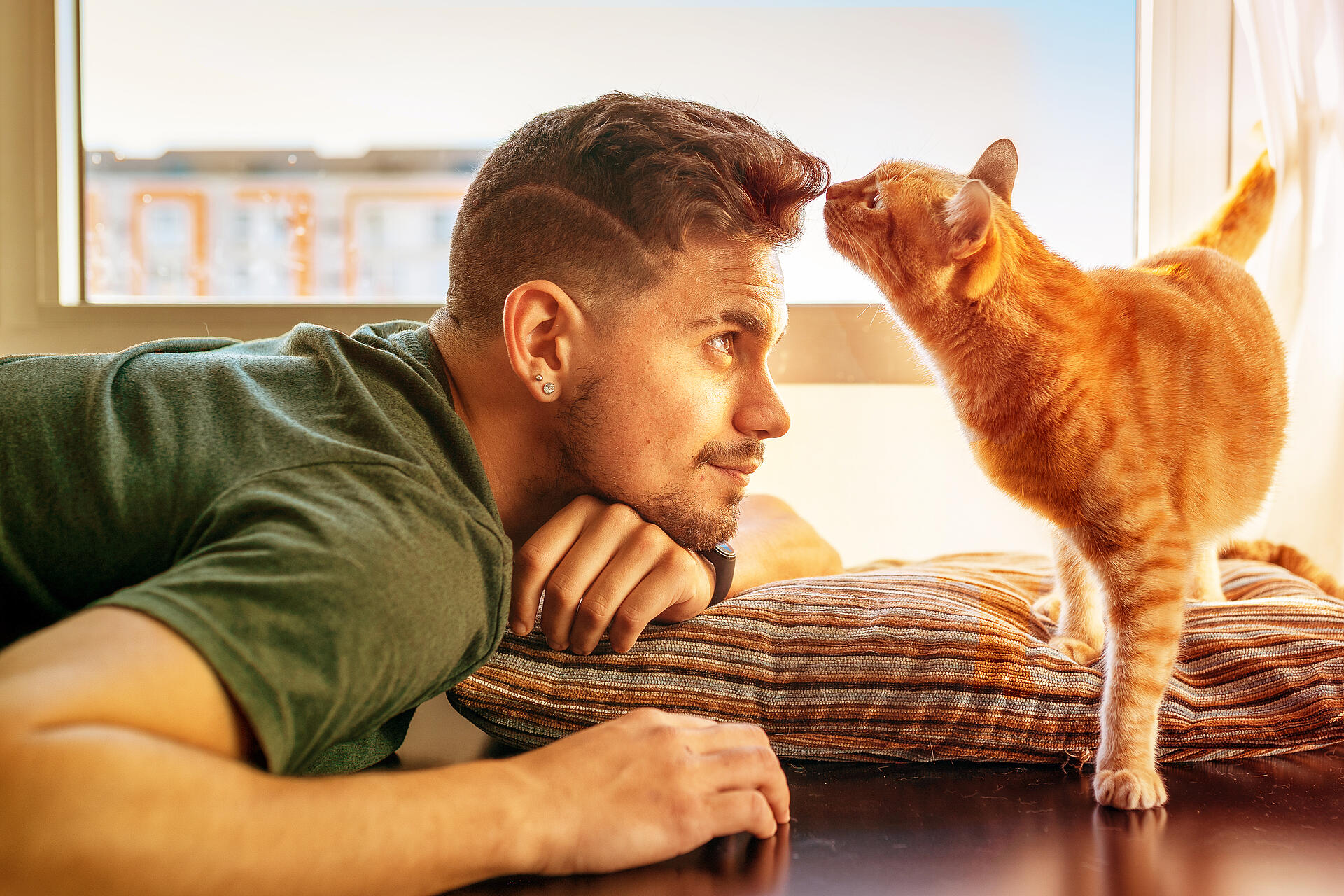
How Do Cats Age?
Understanding the Cat Aging Process
The cat aging process happens gradually and varies from one feline to another, but most cats begin to show signs of aging from around seven years of age. As your cat gets older, their metabolism slows down, which means they burn less energy and may gain weight more easily. At the same time, muscle mass tends to decrease while body fat increases, especially if your cat becomes less active.
Internal changes also occur — the organs, including the heart, kidneys, and liver, may not function as efficiently as before, and the immune system can weaken. These shifts can make senior cats more prone to health issues and less able to recover quickly from illness or injury.
Signs and Symptoms of Cat Aging
As cats move into their senior years, you may begin to notice small but telling changes in their appearance and daily habits. These aging symptoms can vary, but most are easy to spot once you know what to look for.
Common physical signs of aging in cats include:
- More sleep and less play: Older cats tend to rest longer and have shorter periods of activity.
- Changes in grooming: You might notice a duller coat or areas of matted fur as flexibility decreases.
- Fluctuating appetite: Senior cats may become pickier eaters or show reduced interest in food.
- Weight changes: Some cats slim down as muscle tone decreases, while others gain weight from lower activity levels.
- Slower or hesitant movement: Difficulty jumping or climbing can be an early sign of joint stiffness or arthritis.
- Behavioral shifts: Increased clinginess, irritability, or confusion can appear with age.
These aging signs don’t always indicate illness, but they do signal that your cat’s needs are changing. If you notice several of these symptoms, it’s best to schedule a vet check-up to ensure your cat stays healthy and comfortable in their later years.
Nutrition and Care for Senior Cats
As your cat reaches senior age — typically around seven to ten years old — their nutritional needs begin to change. While many cats remain active and playful well into old age, their metabolism slows and their digestive system can become more sensitive.
Older cats benefit from a diet that’s carefully balanced to support energy, maintain lean muscle, and promote overall wellbeing. Here are a few key nutritional considerations for older cats:
- High-quality animal protein: Senior cats still need plenty of protein to preserve muscle mass. Look for easily digestible sources such as chicken or fish.
- Moderate fat content: As cats age, their energy levels naturally decline and their appetite may reduce, so each bite needs to deliver essential nutrition without unnecessary calories. Senior cats can benefit from a lower-fat recipe, such as IAMS 7+, to help maintain a healthy weight, while older cats may require a higher fat and calorie formula, like IAMS 11+, to support their energy needs and overall condition.
- Omega-3 fatty acids: Ingredients like fish oil provide valuable nutrients, and our balanced blend of omega-6 and 3 fatty acids helps maintain healthy skin and a shiny coat.
- Antioxidants and vitamins: These help strengthen the immune system, which naturally weakens with age.
In addition to diet, ensure your senior cat always has access to fresh water and encourage gentle daily activity to maintain muscle tone and circulation.
For a diet specifically formulated to meet the needs of older cats, explore IAMS Senior Cat Food, designed to support strong muscles, a healthy heart, and vitality at every stage of aging. You can find more information on ‘How to feed my senior cat’ in our Senior Cat Guide.
Dental and Digestive Health
As cats age, maintaining good dental and digestive health becomes increasingly important. Senior cats are more prone to plaque build-up, gum disease, and tooth loss, which can make eating uncomfortable and affect their appetite. Regular vet check-ups and a diet that supports oral health — such as crunchy kibble designed to reduce tartar — can help keep their teeth and gums healthy.
Older cats may also experience slower digestion. Choosing food that’s gentle on the stomach and formulated for older cat digestion can support nutrient absorption and help prevent issues like constipation or vomiting.
Hairballs can also become more frequent as grooming habits change with age. Feeding a recipe that includes natural fibres, such as beet pulp, helps move hair through the digestive system and supports overall senior cat health. You can find more information on this topic in our article ‘Nutritional management of hairballs’.
Behavioural Changes and Cognitive Health
As cats get older, you may notice subtle shifts in their behaviour and cognitive health. It’s normal for senior cats to sleep more and show less interest in play or exploration — their energy levels naturally decline with age. However, certain changes can signal more than just aging.
Some older cats may become disoriented, forget familiar routes around the house, or appear confused. These can be early signs of dementia in cats (also known as feline cognitive dysfunction). Other symptoms include increased vocalisation at night, changes in litter box habits, or seeming less responsive to affection.
Understanding cat behaviour by age helps you distinguish between normal aging and potential cognitive decline. If you notice significant behavioural changes, it’s best to consult your vet — they can check for underlying health issues and recommend ways to keep your cat mentally stimulated, such as gentle play or puzzle feeders.
Yes, cats do sleep more as they get older, but ensuring they have a calm, enriching environment and plenty of interaction can help maintain both their emotional and cognitive wellbeing.
How to Keep Your Aging Cat Healthy and Happy
Caring for a senior cat goes beyond simply meeting their basic needs. With the right attention, you can help your cat stay active, comfortable, and mentally engaged throughout their golden years. Here are some key tips:
- Regular Vet Check-ups: Senior cats should visit the veterinarian at least once a year, or more often if recommended. Routine exams help detect health issues early, from kidney problems to dental disease, ensuring your cat receives timely care.
- Mental Stimulation: Older cats still need mental engagement to keep their minds sharp. Puzzle toys, treat-dispensing feeders, gentle training, or introducing new play activities can help prevent boredom and cognitive decline.
- Gentle Exercise: Encouraging movement is essential for maintaining muscle tone, joint flexibility, and a healthy weight. Short play sessions, climbing opportunities, or even interactive wand toys can keep your senior cat active without overexertion.
By combining regular veterinary care, mental stimulation, and appropriate physical activity, you can help your senior cat live a fulfilling and vibrant life. With the right care and nutrition, cats can enjoy happy, active lives well into their senior years.
Our bestsellers
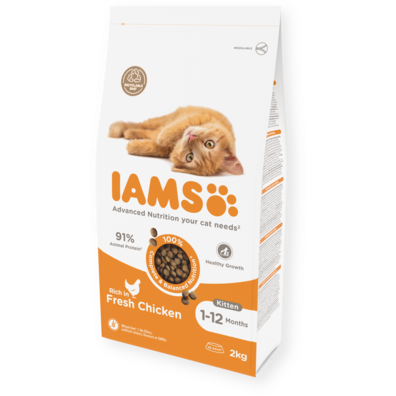
Dry Food Kitten rich in Fresh Chicken
- Dry food
- Chicken
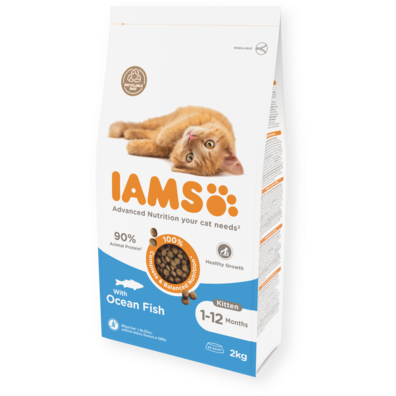
Dry Food Kitten with Ocean Fish
- Dry food
- Ocean Fish
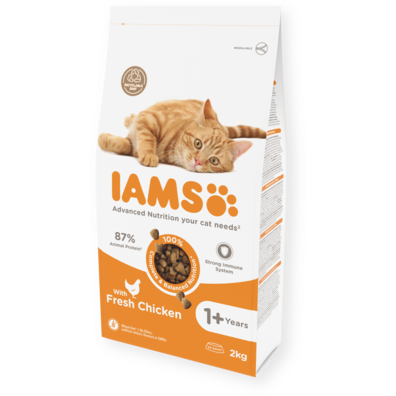
Dry Food Adult with Fresh Chicken
- Dry food
- Chicken
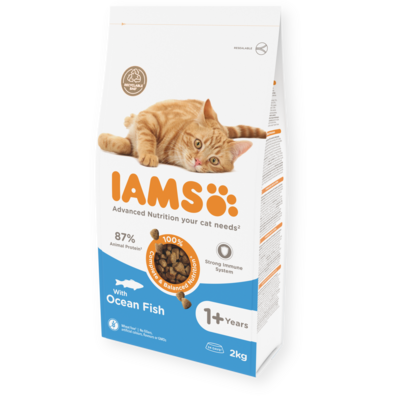
Dry Food Adult with Ocean Fish
- Dry food
- Ocean Fish

Dry Food Adult with Lamb
- Dry food
- Lamb
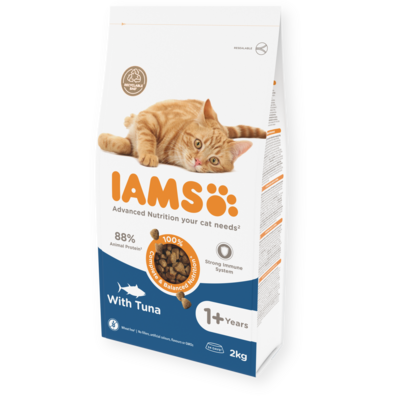
Dry Food Adult with Tuna
- Dry food
- Tuna

Dry Food Adult with Salmon
- Dry food
- Salmon
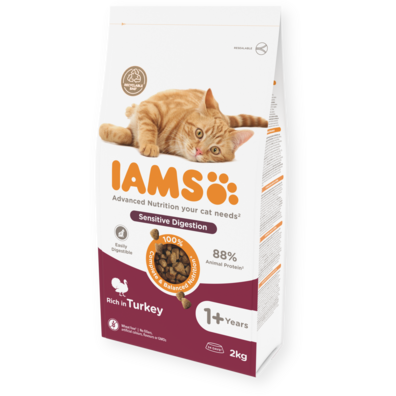
Dry Food Sensitive Digestion Adult rich in Turkey
- Dry food
- Turkey